
THE MOUNTAIN AND THE CROSS:
Architecture should not impose itself upon the landscape; it must emerge from it, interpret it, and exalt it. When we first arrived at this site, the mountain unfolded before our eyes with a hypnotic presence.
It was not a backdrop, nor a mere geographical feature—it was the gravitational center of the place, a mass of stone stretching across the horizon with unshakable serenity.
Its presence was so commanding that architecture could not compete for attention. It should not obscure it, fragment it, or rival its scale.
On the contrary, it should serve as its pedestal, its pulpit, from which the mountain’s silhouette would gain even more weight and meaning.
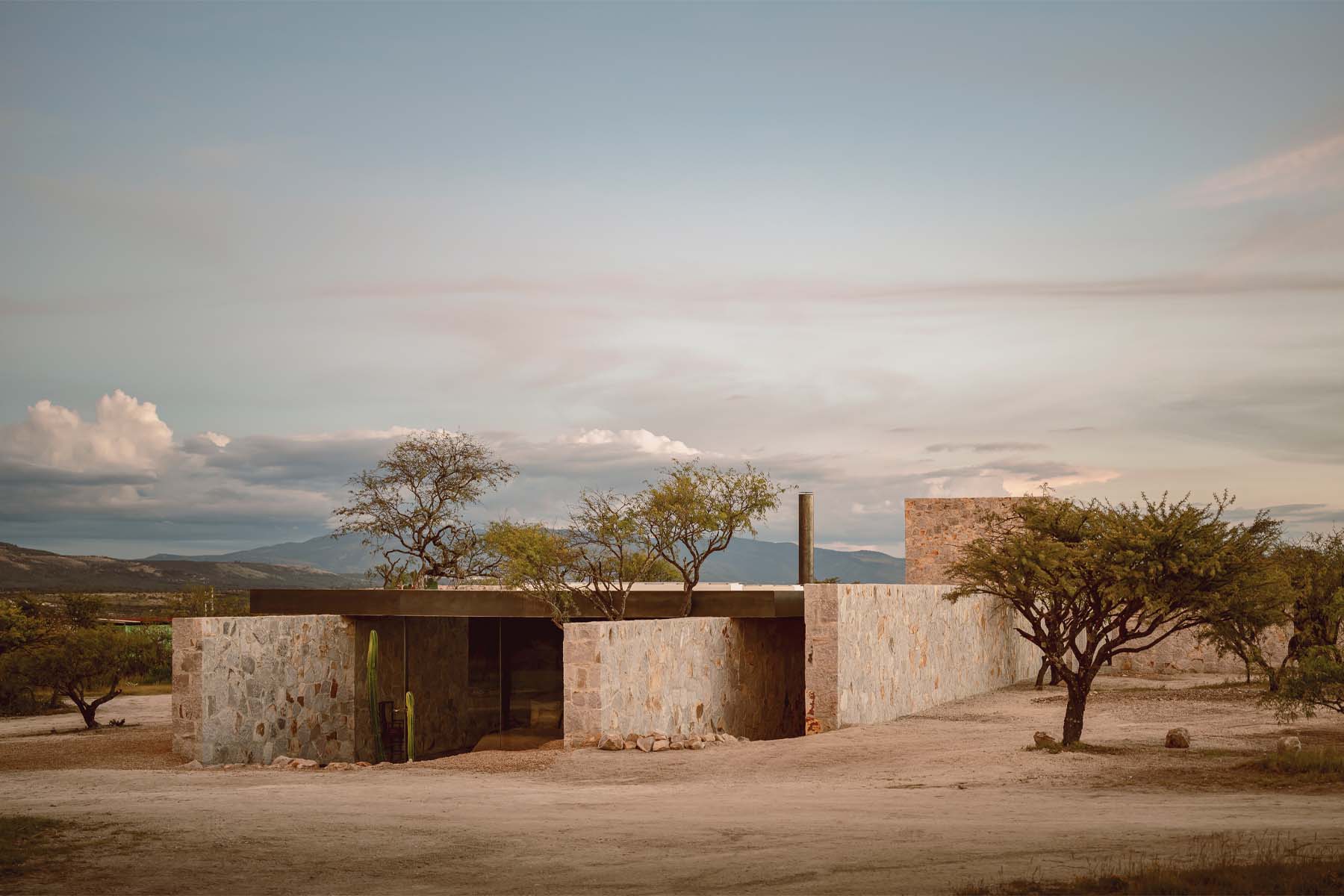
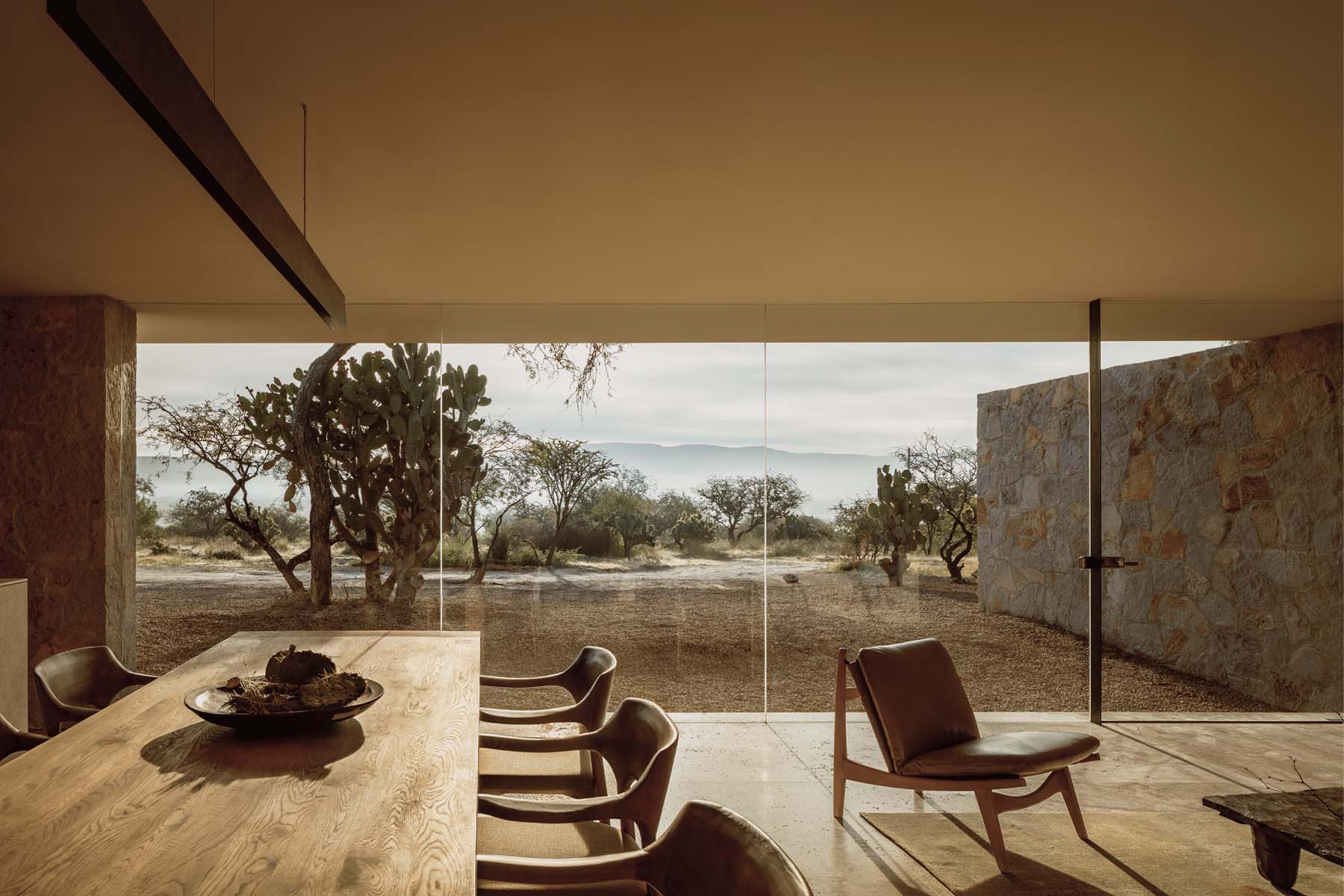
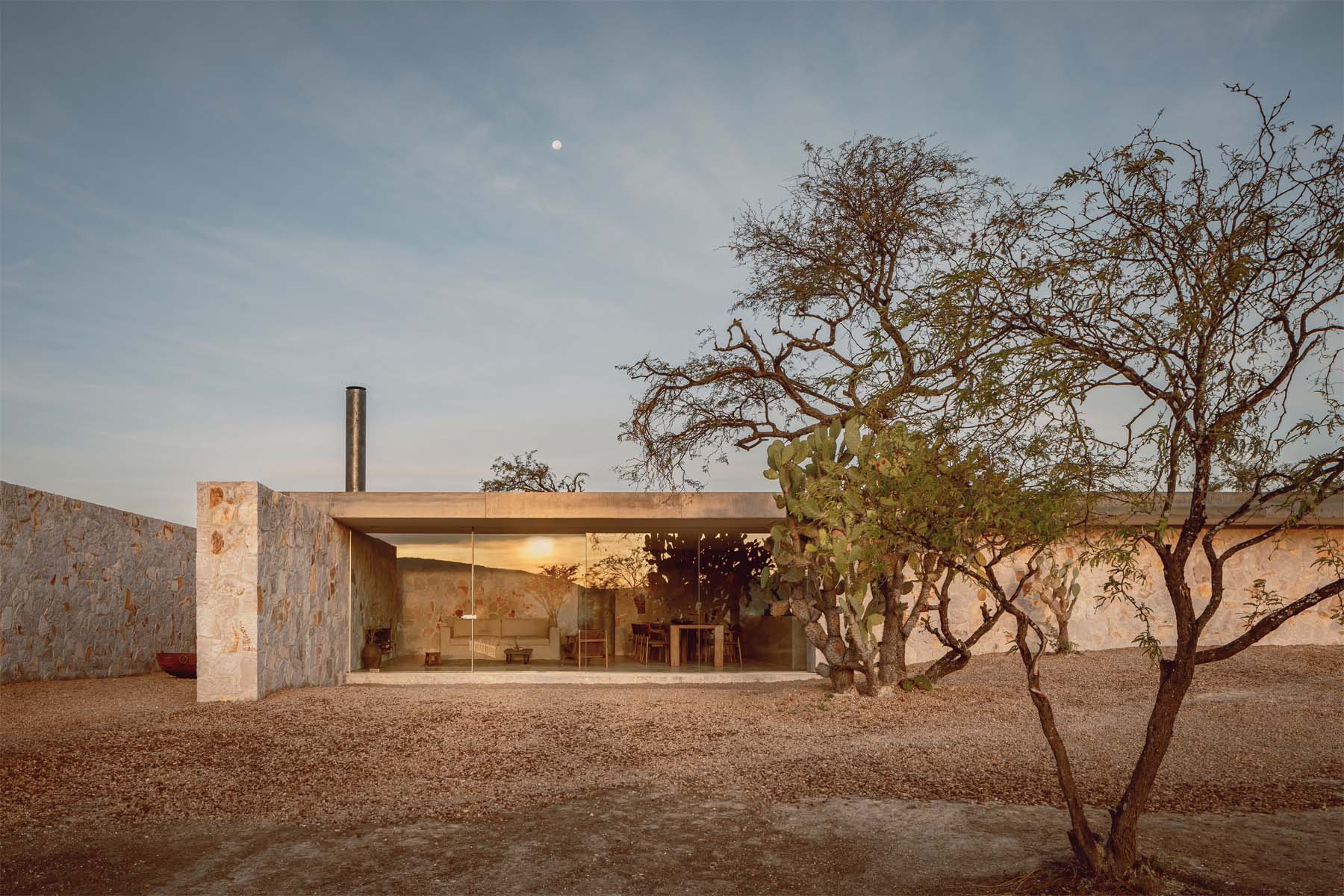
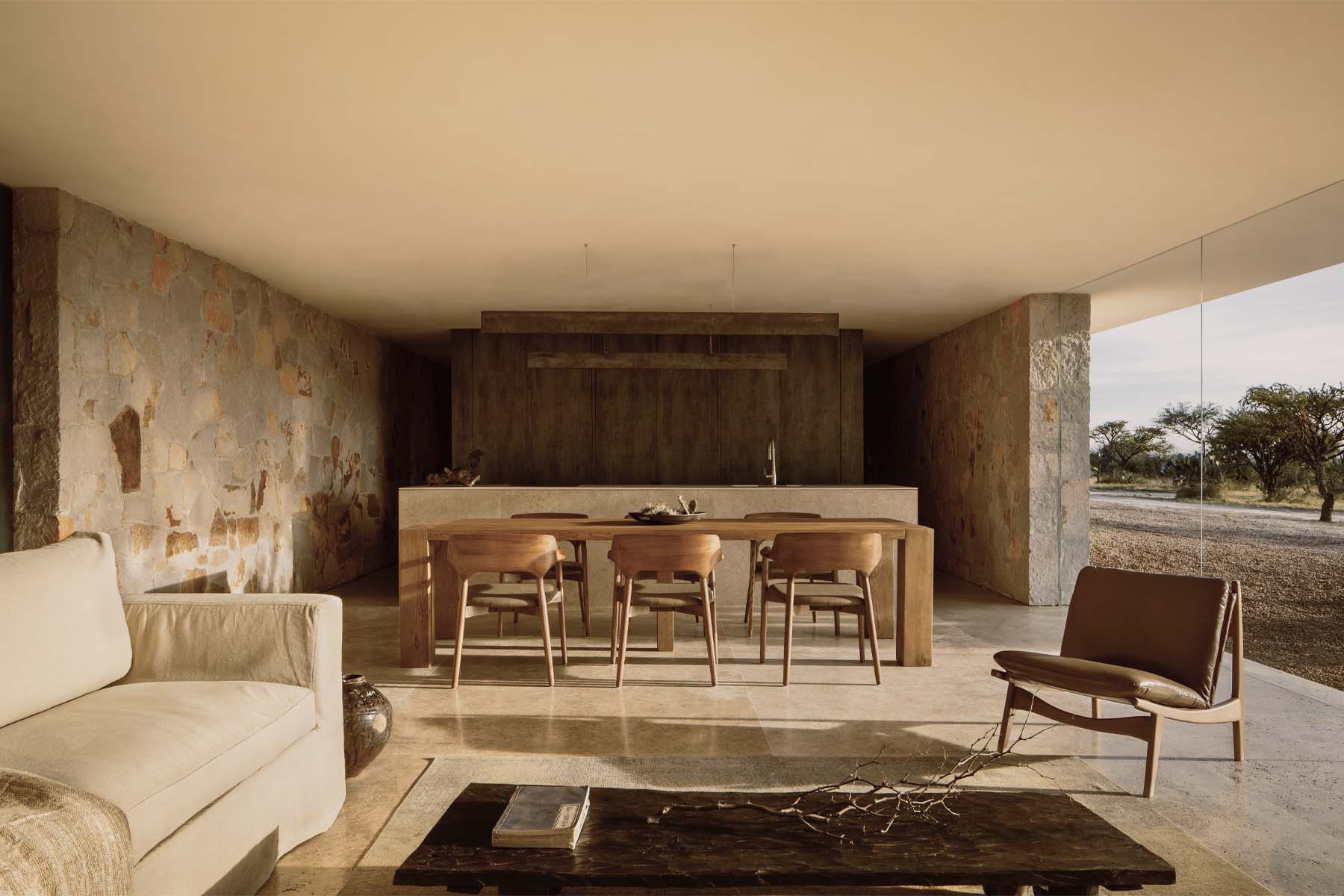
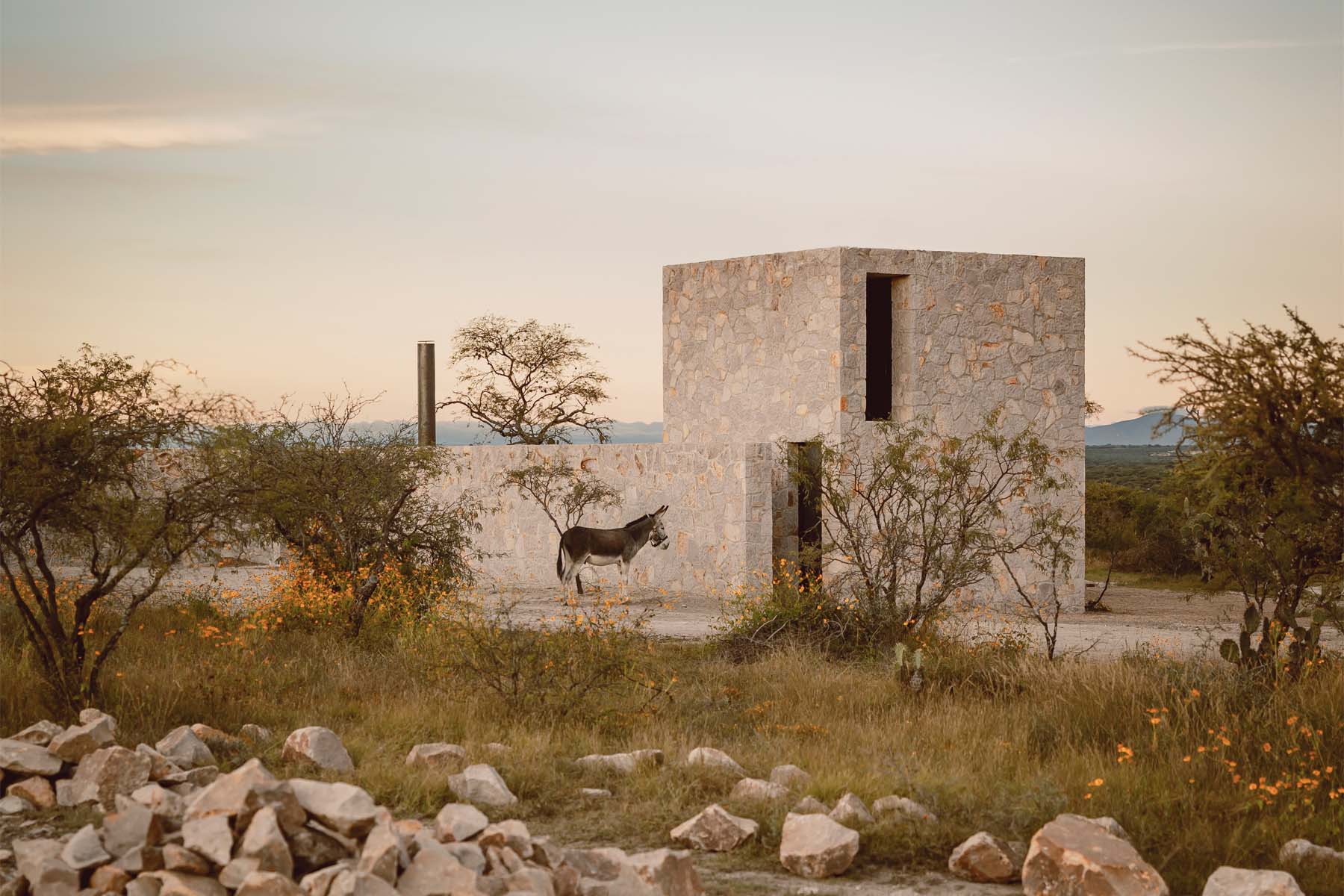
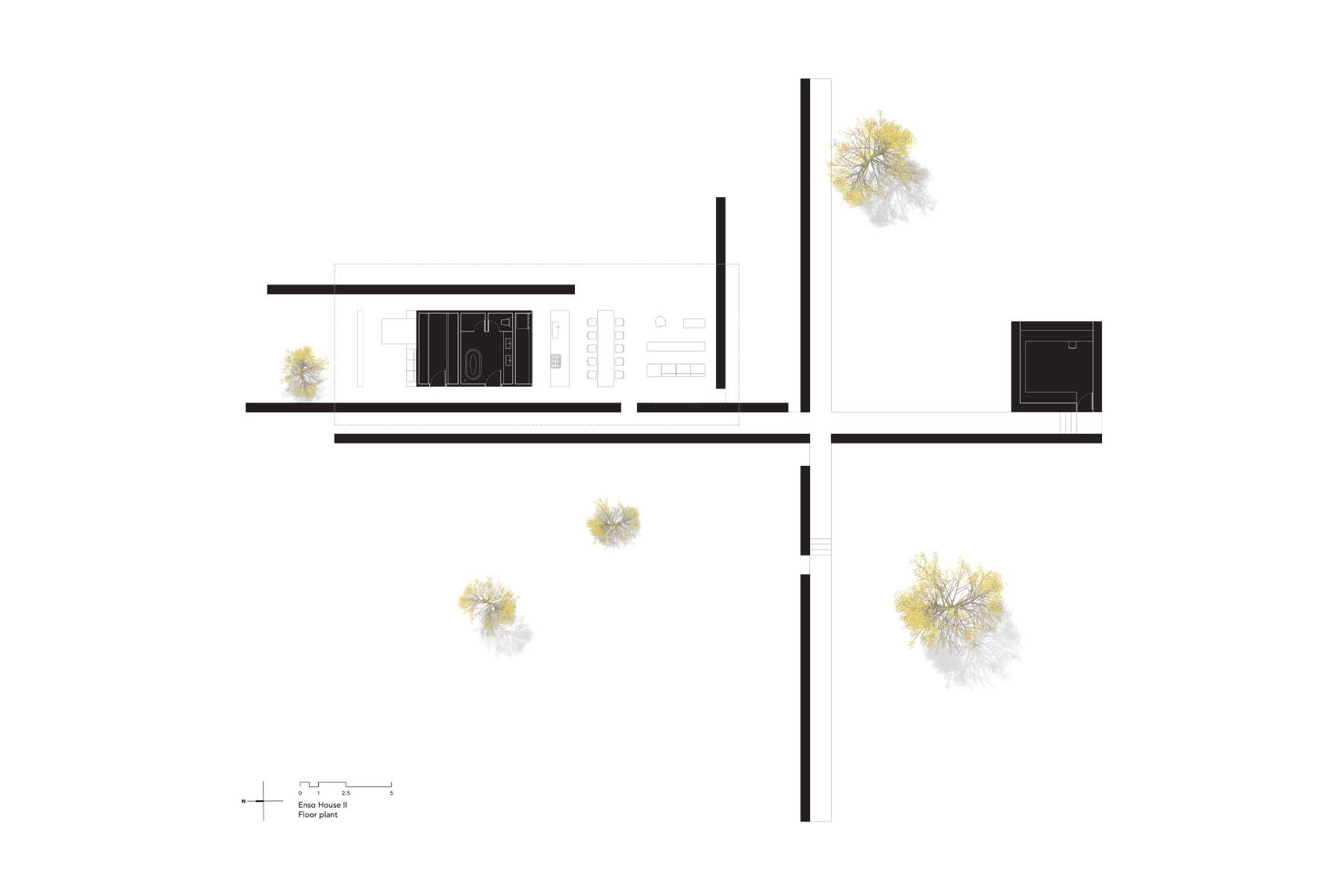
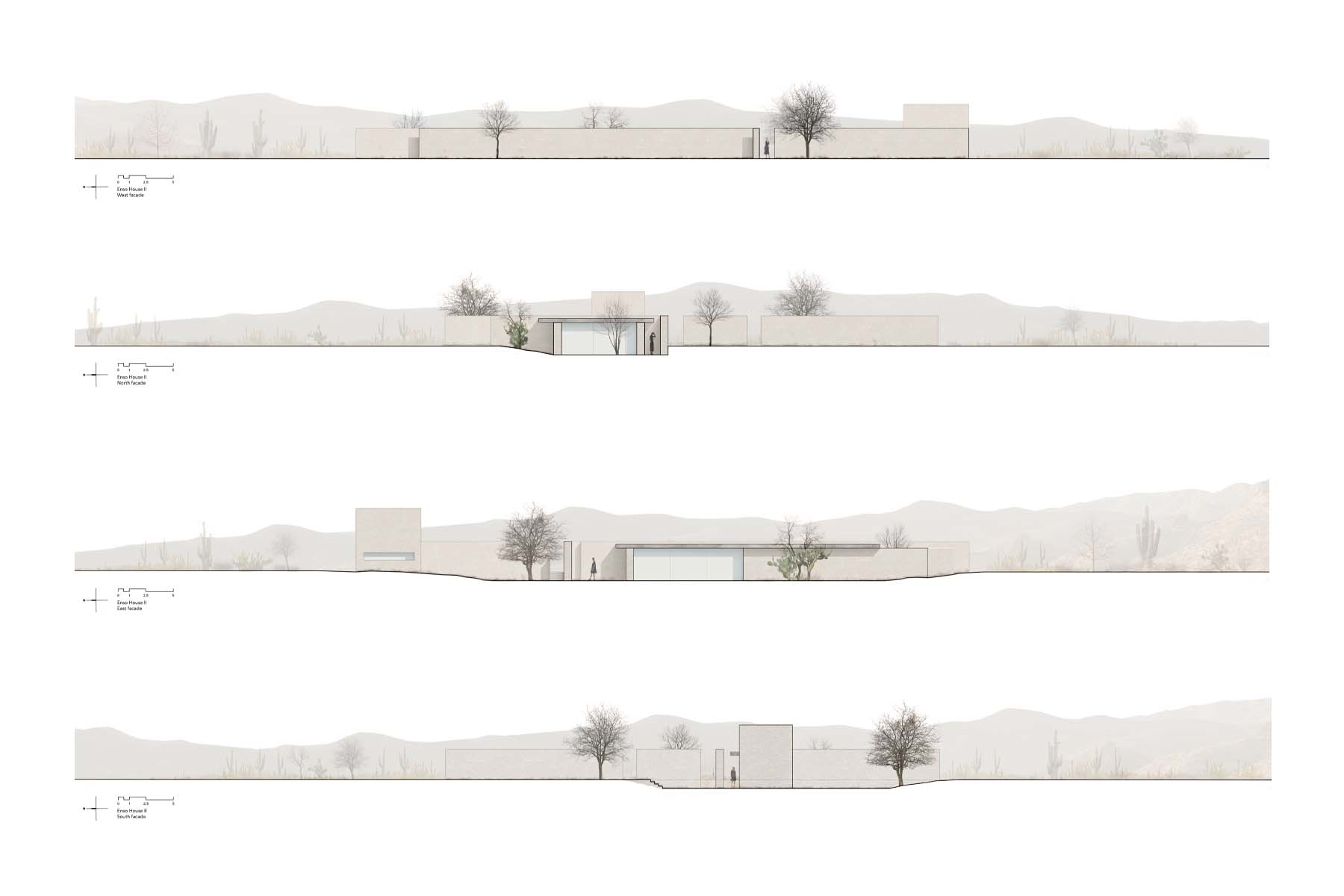
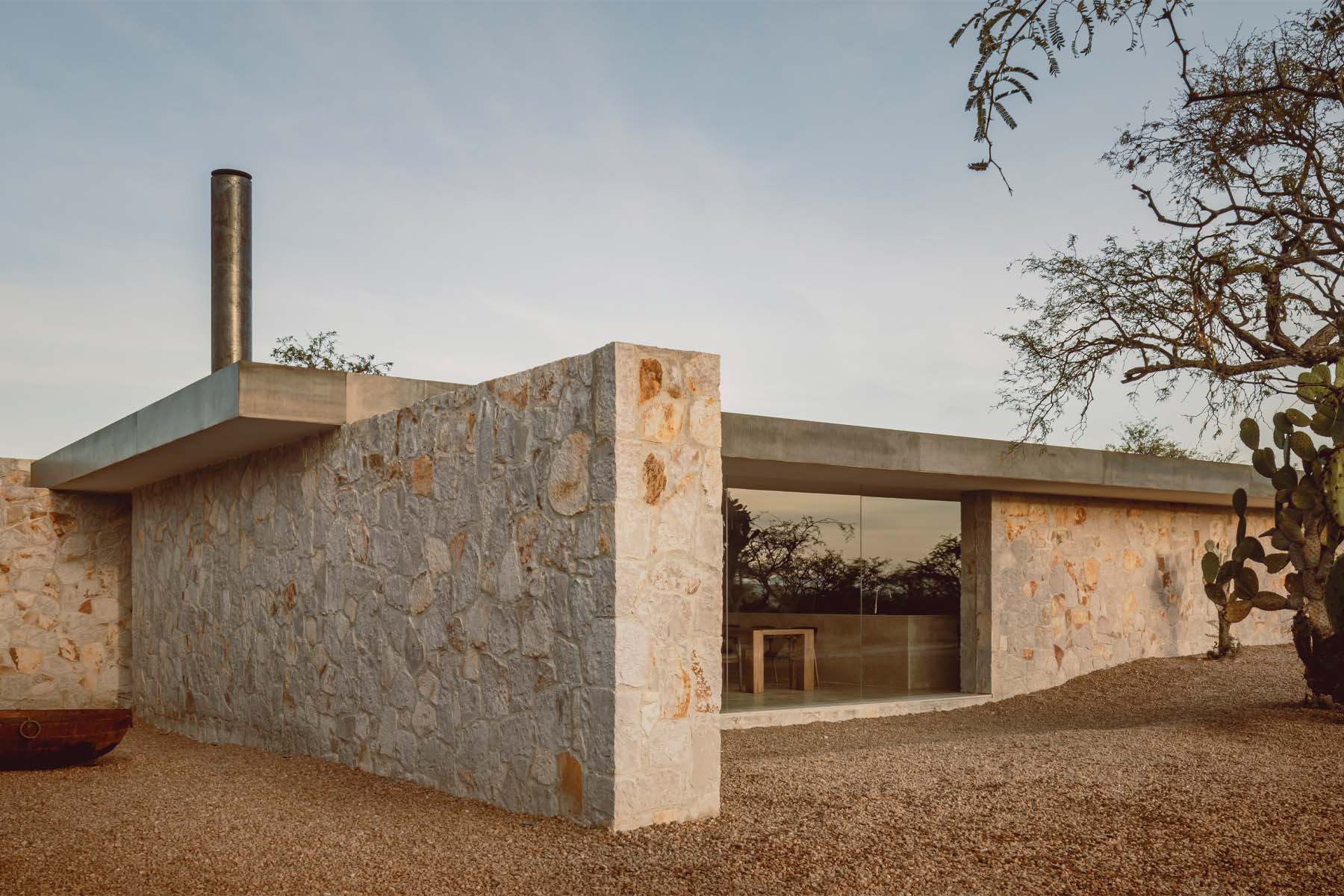
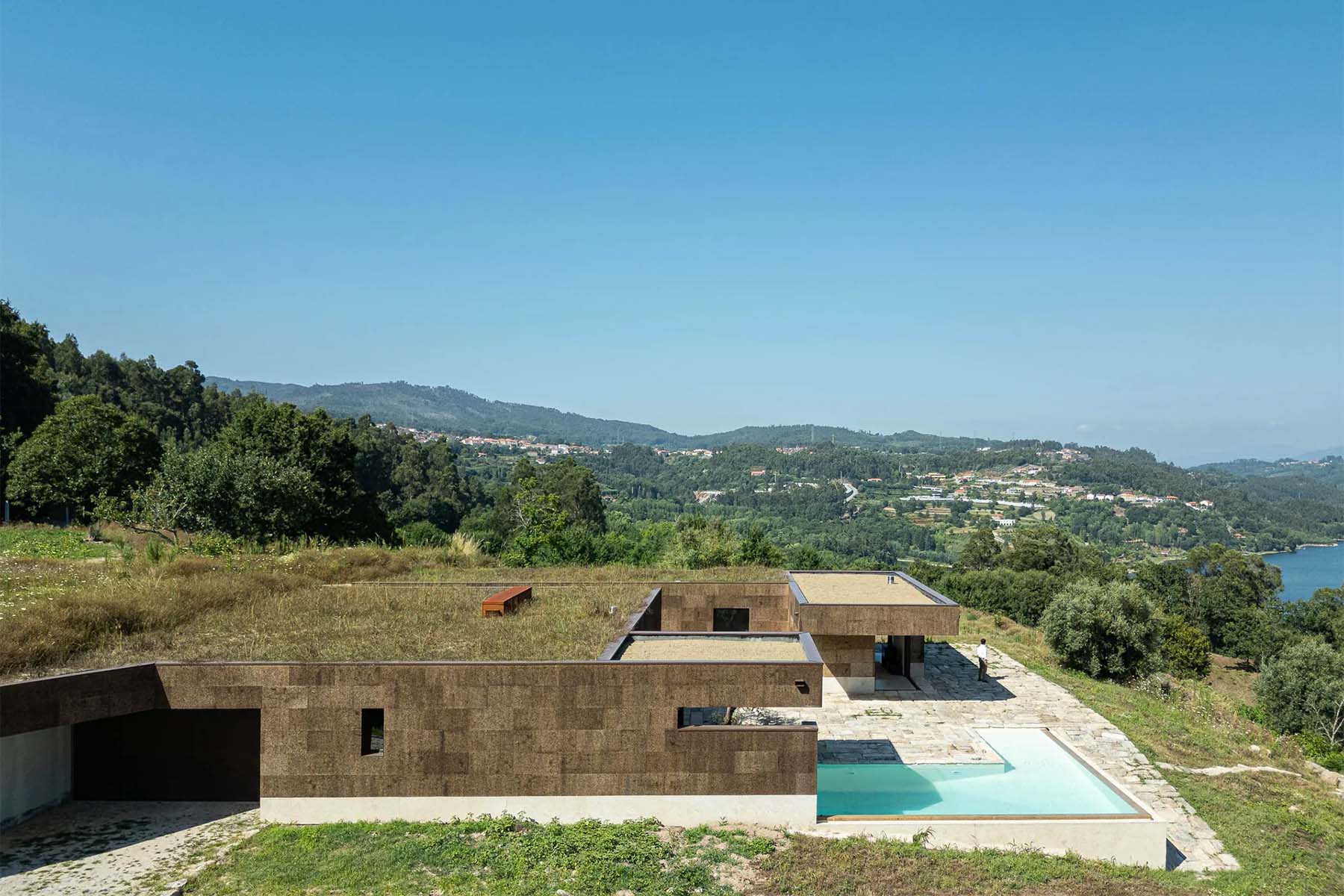
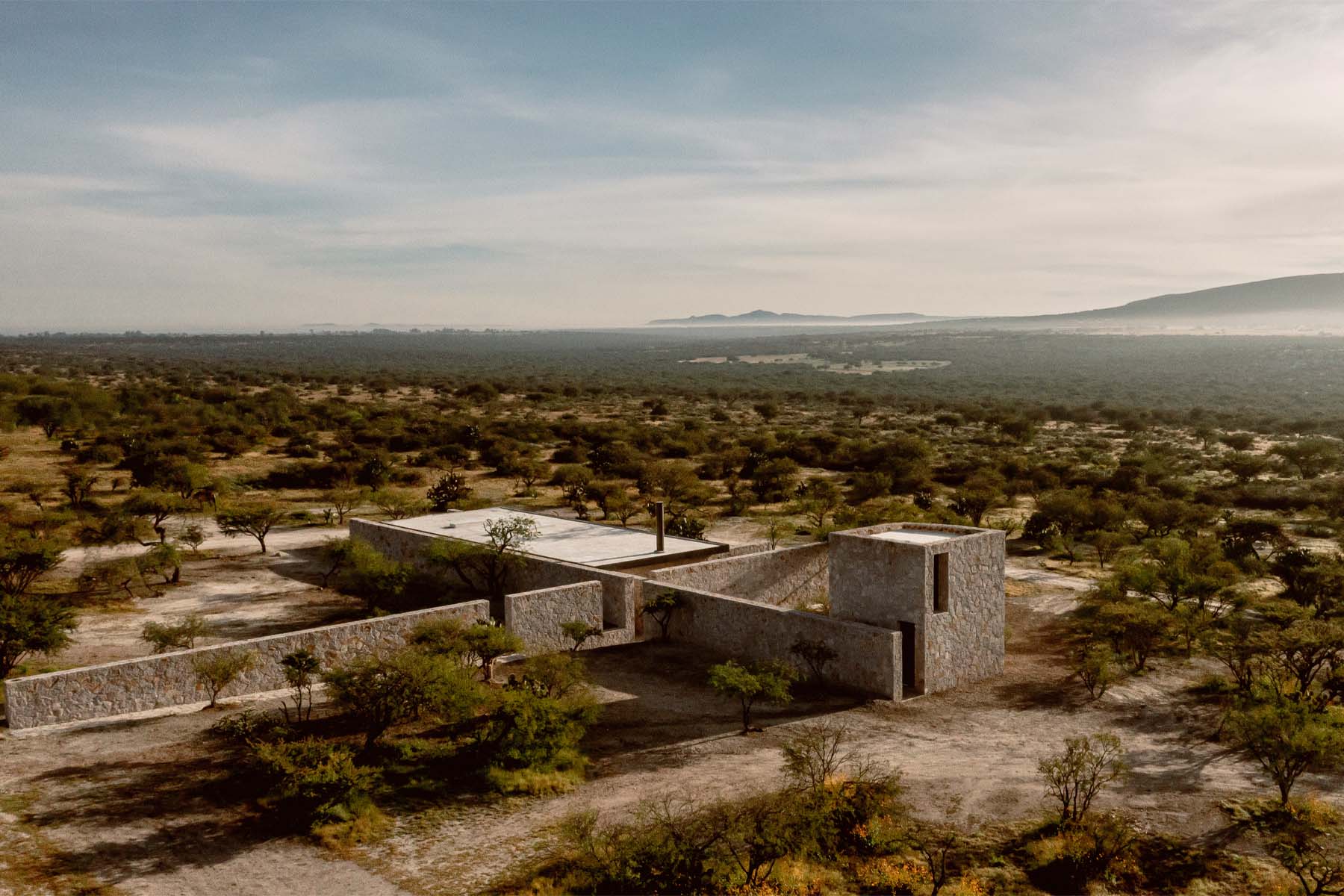
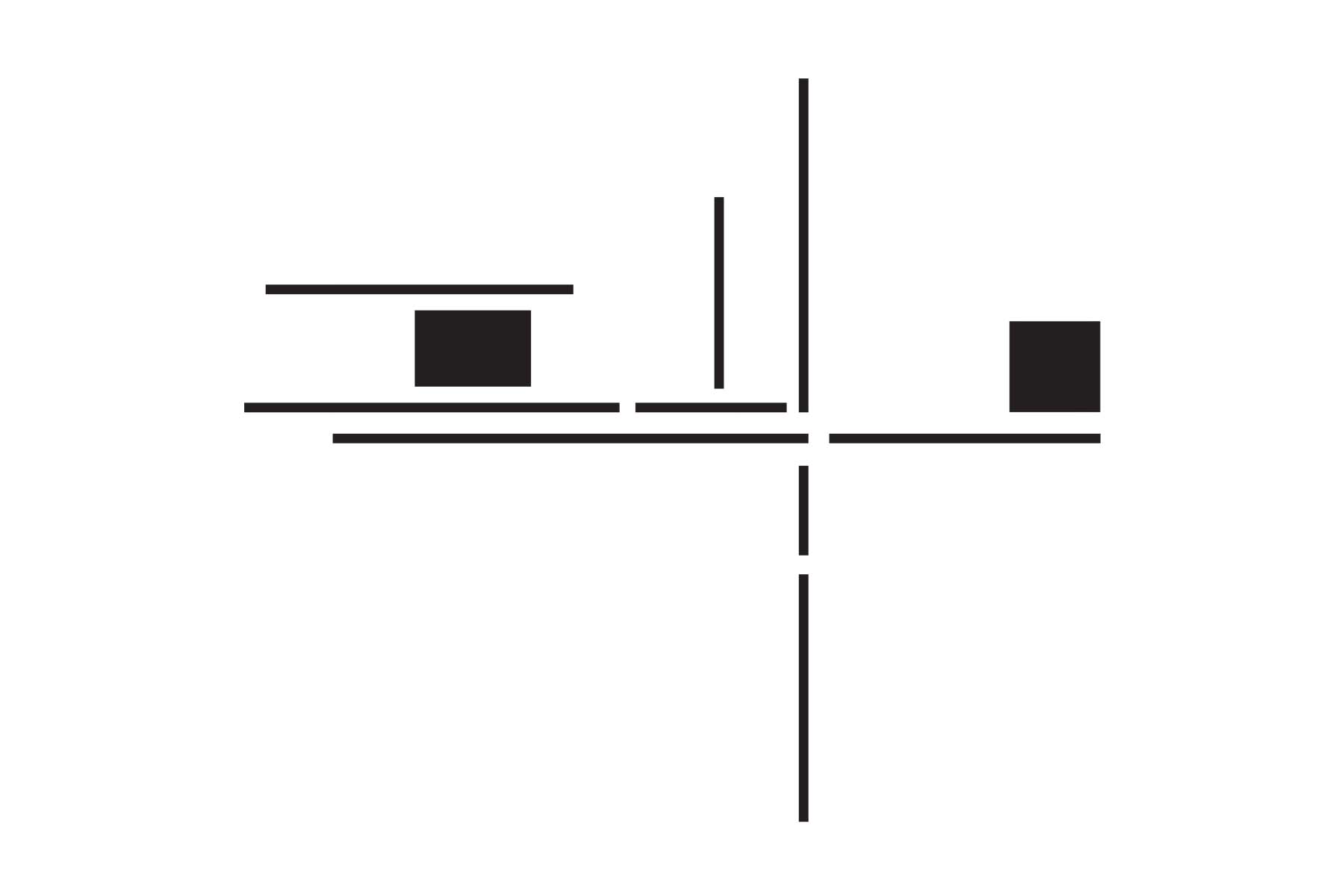
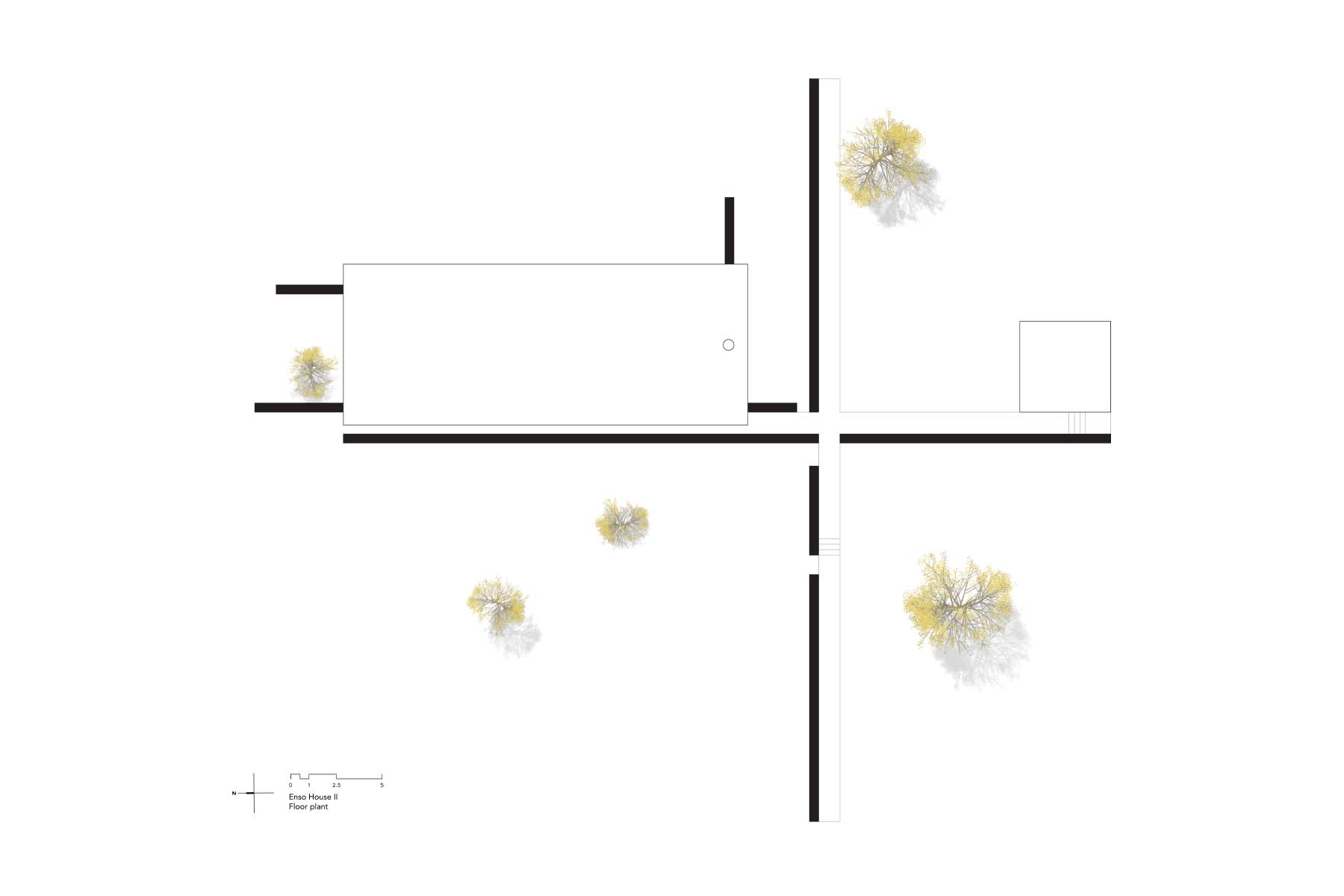
The first gesture was a wall. A line of stone that, rather than severing the relationship with the landscape, intensified it. This wall not only emphasized the presence of the mountain but also provided shelter from the road running parallel to it. It was not a boundary, but a threshold. And to cross it—to enter the house—a second, perpendicular gesture was needed. A second wall that accompanied the approach, offering not just a welcome, but above all, a shadow that would cool the inhabitant's arrival.
This intersection of walls gave rise to a cruciform floor plan—a spatial arrangement that responds not to arbitrary geometry, but to a deeper logic of protection and openness, of boundaries and expansions. The cross not only defines circulation and structure, but also organizes life into four quadrants, each with a specific purpose:
The first quadrant, the entry threshold, is a garden of native species. More than just a green space, this garden is a filter—a place where nature precedes architecture and establishes the first point of contact with those who arrive. Here, the landscape is not a distant view, but an immediate presence that shelters, surrounds, and welcomes.
The second quadrant houses the vehicles, but not as a leftover or merely functional space. It was integrated into the whole with the same intention of shelter that structures the entire house. The pre-existing trees were preserved with meticulous care, becoming a living canopy that shields from the sun and will grow alongside the house over time.
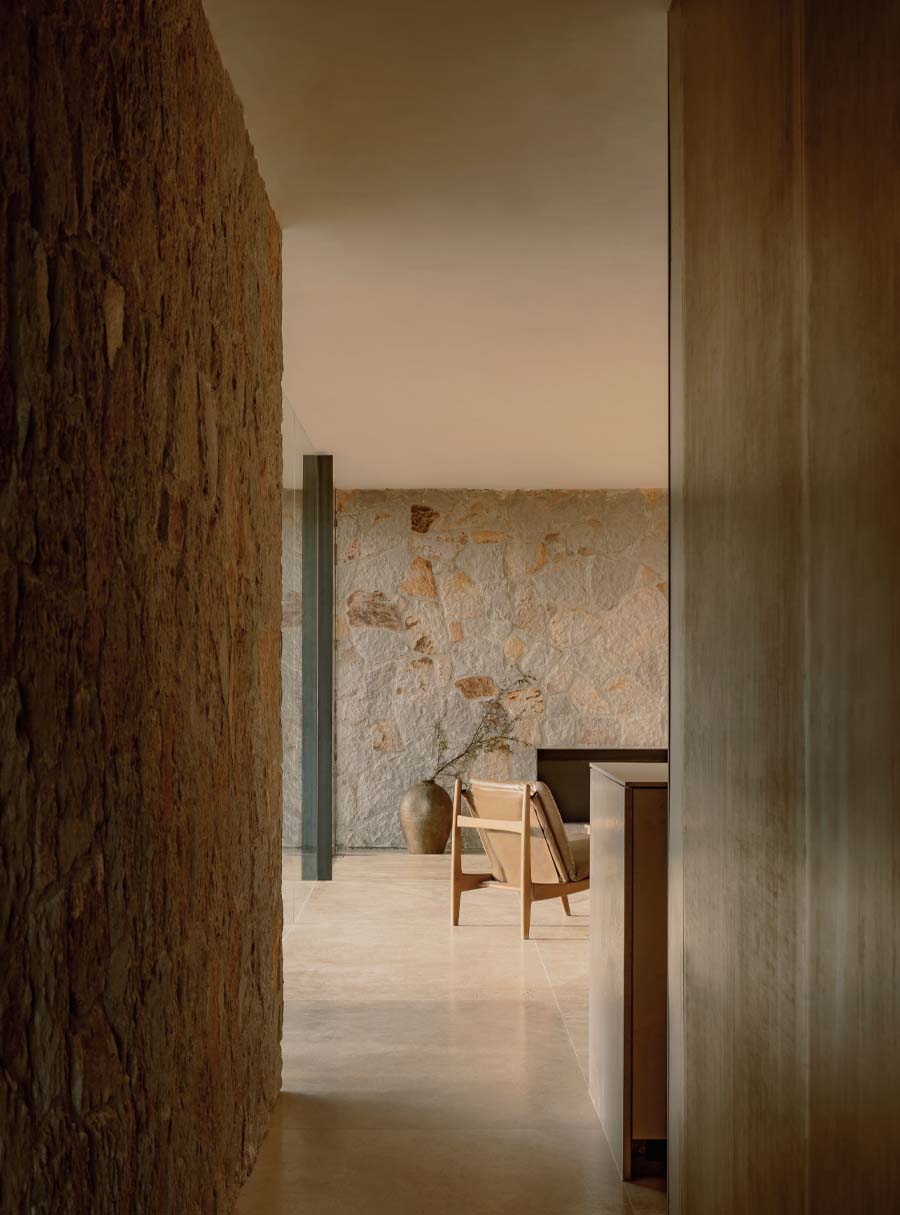
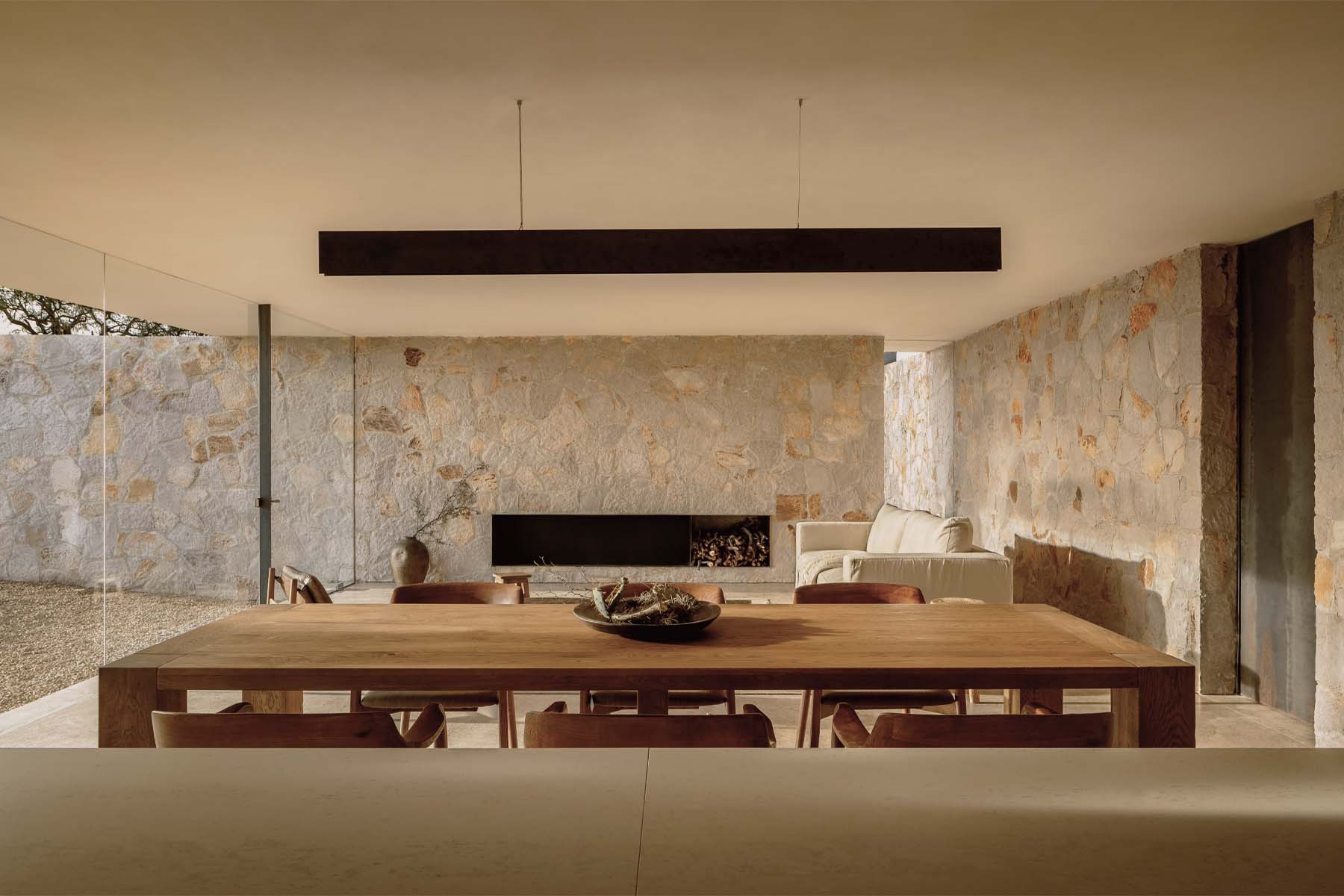
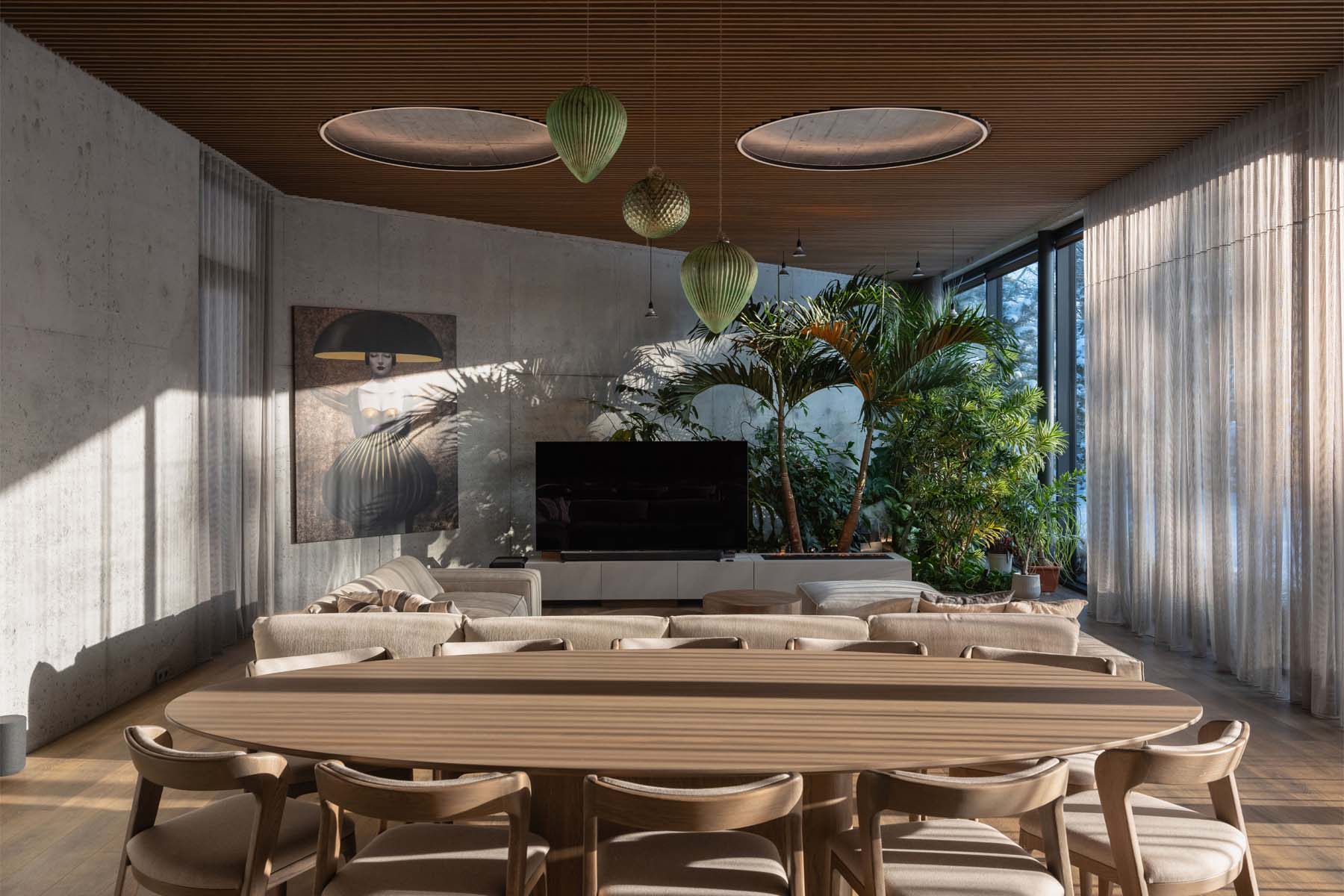
The third quadrant is the heart of the house: a one-room refuge where daily life unfolds with near-monastic simplicity. Here, the open plan is interrupted by a single volume containing service spaces, separating the public from the private. This minimal gesture not only organizes the program but also reinforces the sense of intimacy and seclusion.
The fourth quadrant contains the office—the only volume that visibly rises above the prevailing horizontality. Its discreet verticality pays homage to the monoliths of the Santa Brígida mines in Mineral de Pozos, evoking that austere and essential architecture in which function and material are reduced to their purest expression.
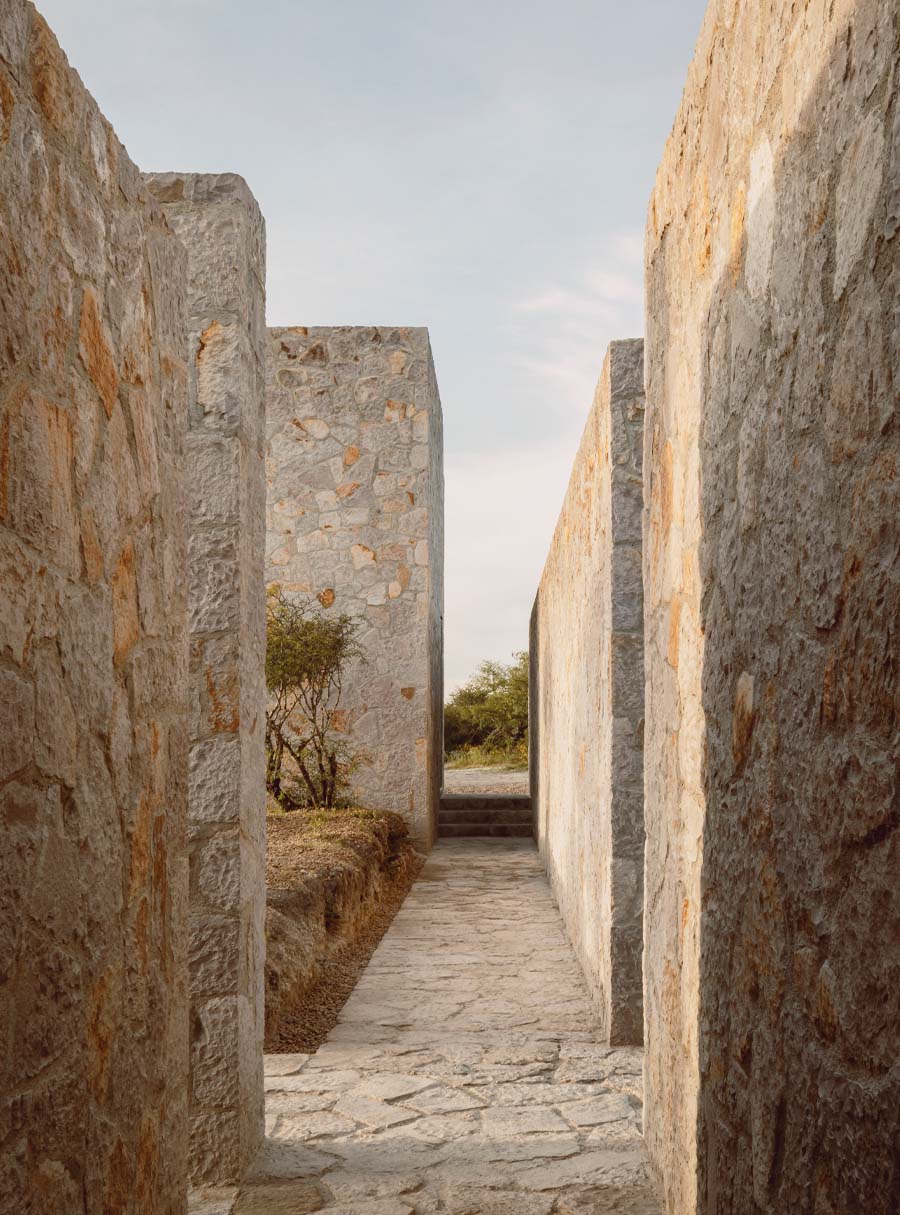
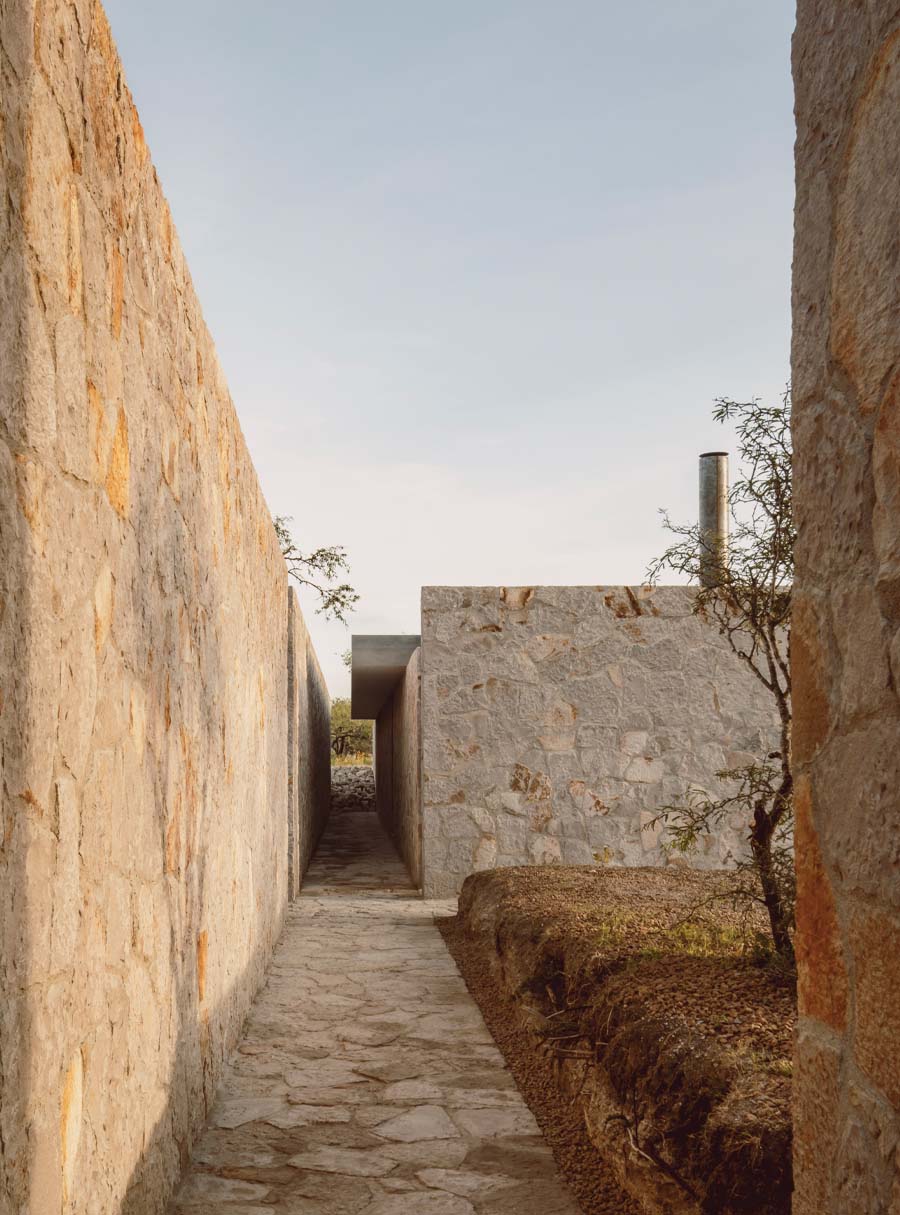
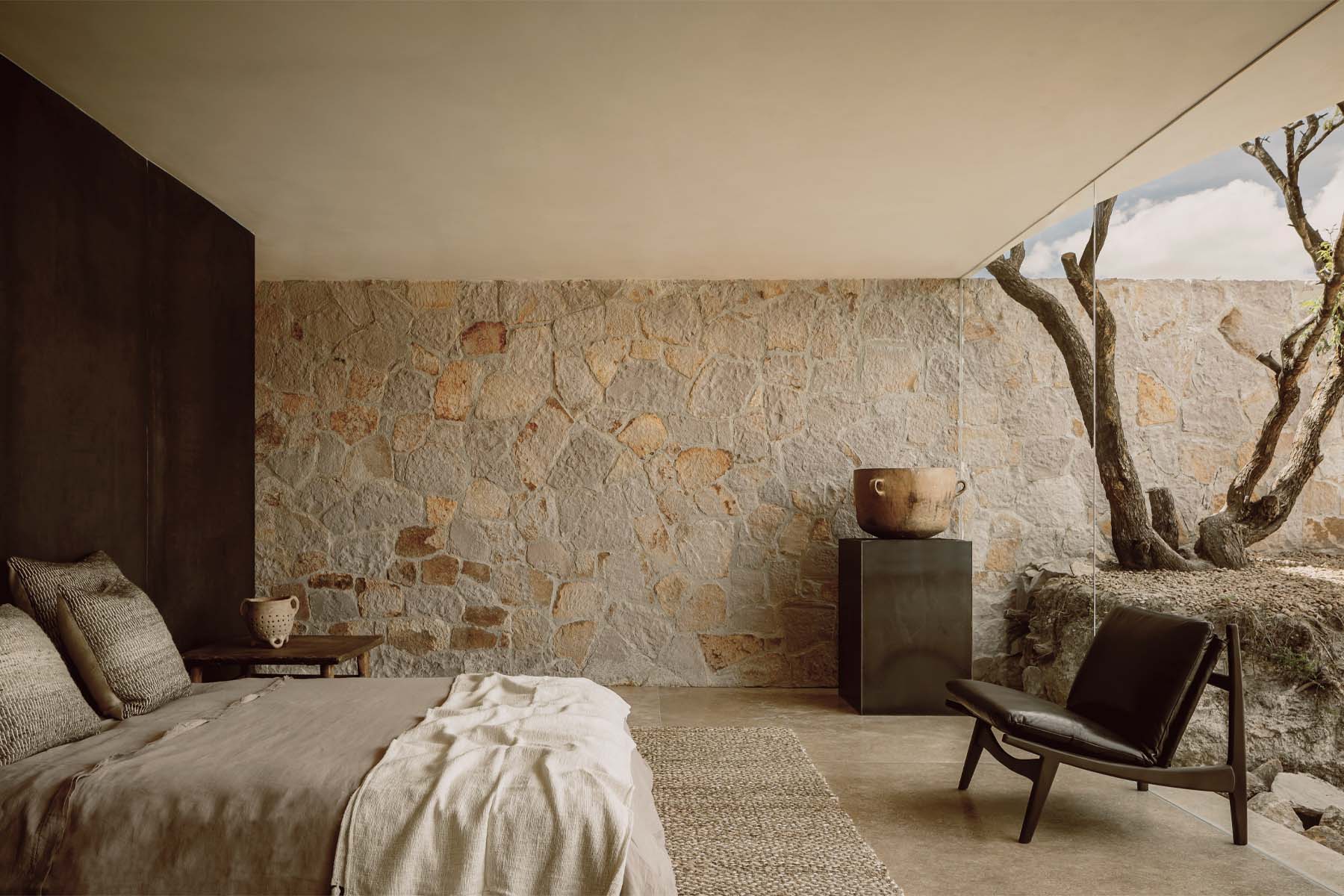
But beyond its layout, what defines this house is its relationship with movement and time. Unlike a compact structure where everything lies beneath a single roof, here, the act of moving between spaces becomes essential. To go from one area to another, one must pass through the open air, feel the breeze on their skin, perceive the change in temperature, and notice how light filters differently depending on the time of day. This passage between interior and exterior, between shelter and openness, evokes the ancient monasteries, where architecture not only organized space but shaped the very experience of dwelling.
And always, in the background, the mountain. Immutable, eternal. The architecture here does not seek to assert itself over it, but to reveal it. Every wall, every threshold, every covered or open space is designed to guide the gaze, to heighten the mountain’s presence, to render its silhouette a lasting image in the memory of those who inhabit this place.
That first wall—the initial gesture of protection—ultimately becomes a tool for contemplation. And as one crosses it, stepping out of the house and looking back, the mountain remains— unmoved, unshaken, as if architecture had never happened.